How to Choose a Trustworthy Business Insurance Provider in 2026
Starting or running a business is an adventure filled with excitement, innovation, and, let’s be honest, a fair amount of risk. From unexpected lawsuits to property damage or cyberattacks, the threats to your hard-earned enterprise are varied and real. This is where business insurance steps in – not as a luxury, but as an absolute necessity. But simply having insurance isn’t enough; you need a trustworthy business insurance provider. One that stands by you when you need them most, offers transparent policies, and handles claims with efficiency and fairness. Without a reliable partner, your safety net can become a tangled mess, leaving your business vulnerable.
Imagine this: It’s a busy Tuesday morning in 2026, and a pipe bursts in your office, flooding your server room. Panic sets in. Your immediate thought goes to your data, your equipment, and the inevitable business interruption. In this moment of crisis, the last thing you want to worry about is whether your insurance company will honor their commitment. You need the peace of mind that comes from knowing you chose a truly trustworthy business insurance provider. This article will guide you through the essential steps and considerations to make that crucial choice, ensuring your business is protected by a partner you can truly rely on.
Key Takeaways
- Understand Your Specific Needs: Before even looking at providers, thoroughly assess your business’s unique risks to determine the exact types and levels of coverage required.
- Prioritize Financial Strength and Reputation: A trustworthy business insurance provider must have a strong financial footing to pay out claims and a solid reputation for fair dealing and excellent customer service.
- Compare Quotes and Coverage Carefully: Don’t just look at price. Evaluate what each policy covers, its exclusions, deductibles, and compare these details across multiple providers to ensure you’re getting comprehensive protection.
- Scrutinize Customer Service and Claims Process: A great provider shines brightest during a claim. Research their responsiveness, efficiency, and fairness in handling claims.
- Seek Expert Advice: Consider working with an independent insurance broker who can offer unbiased advice, compare multiple providers, and help you navigate complex policy details.
Understanding Your Business Risks: The First Step to Finding a Trustworthy Business Insurance Provider
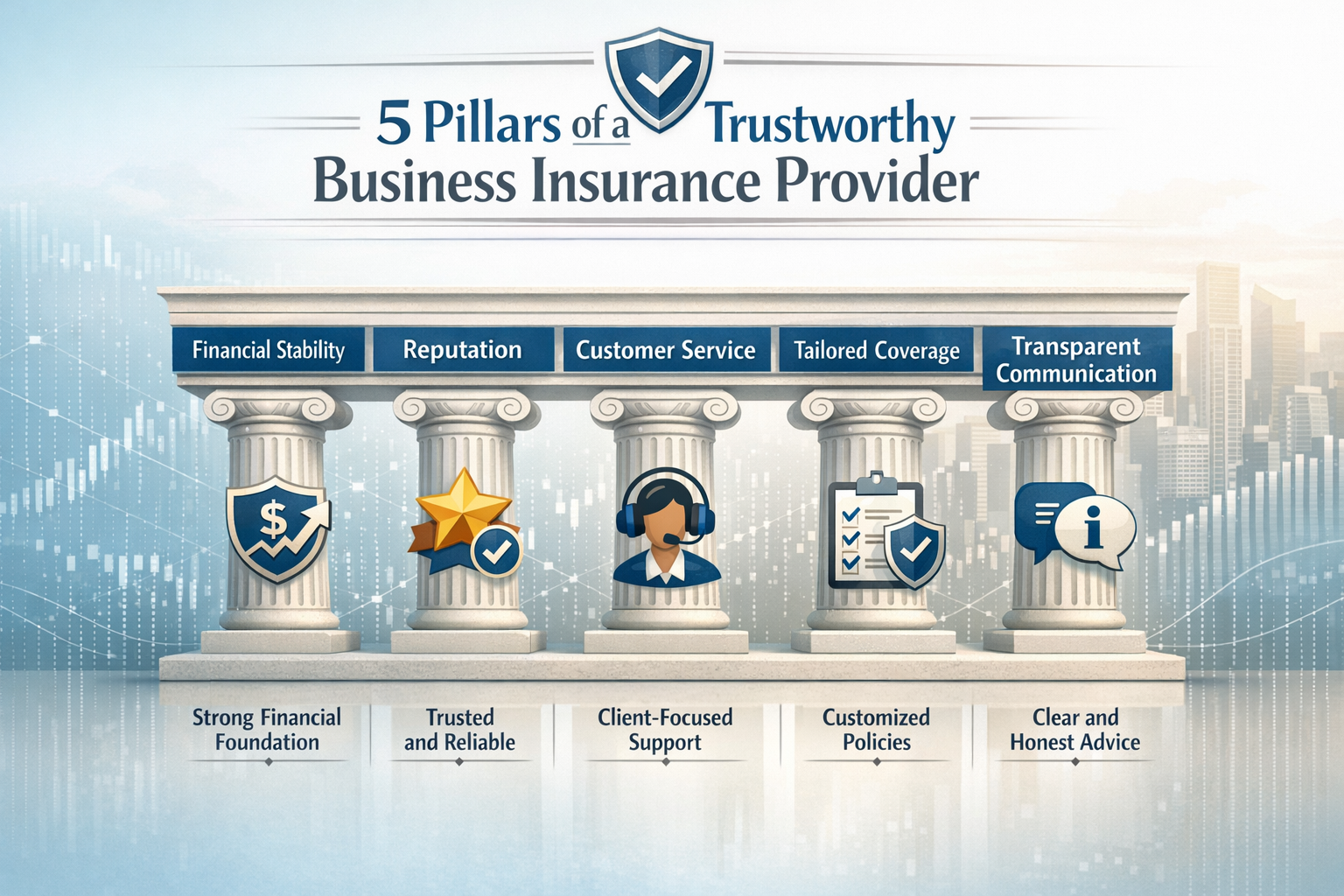
Before you even begin to search for a trustworthy business insurance provider, you need a crystal-clear understanding of what you’re protecting and from what threats. Every business is unique, and so are its risks. A small graphic design studio will have different insurance needs than a bustling restaurant or a tech startup.
I remember when my friend, Sarah, opened her artisanal bakery in 2023. She initially thought general liability was enough. “It’s just bread and coffee, right?” she’d say. But as her business grew, she hired staff, started catering, and even bought a delivery van. Her risks multiplied. She realized she needed workers’ compensation, commercial auto insurance, and even product liability for her edibles. Without a comprehensive understanding of her evolving risks, she might have chosen a basic policy that left her critically exposed trustworthy business insurance provider.
Common Types of Business Insurance
Let’s break down some common types of business insurance. This isn’t an exhaustive list, but it covers the essentials for most businesses:
- General Liability Insurance: This is often the foundational policy. It protects your business from claims of bodily injury or property damage that occur on your business premises or as a result of your operations. If a customer slips and falls in your store, or if one of your employees accidentally damages a client’s property, general liability can cover the medical expenses or repair costs, and legal fees if you’re sued. You can learn more about what this essential coverage entails here: General Liability Insurance: What it Covers, Who Needs It.
- Professional Liability Insurance (Errors & Omissions – E&O): If your business offers professional services or advice, this coverage is crucial. It protects you from claims of negligence, errors, or omissions in the services you provide. Think consultants, accountants, marketing agencies, or IT professionals. For instance, if your advice leads to a financial loss for a client, E&O insurance can cover the legal defense and damages. Discover if you need this vital protection: Professional Liability Insurance: Who Needs It, Top Providers.
- Business Owner’s Policy (BOP): Many small to medium-sized businesses opt for a BOP because it bundles general liability, property insurance, and often business interruption insurance into one convenient and often more affordable package. This can simplify your search for a trustworthy business insurance provider by consolidating multiple coverages.
- Commercial Property Insurance: Protects your physical assets – your building, equipment, inventory, and furniture – from perils like fire, theft, and natural disasters.
- Workers’ Compensation Insurance: If you have employees, this is likely a legal requirement. It provides wage replacement and medical benefits to employees injured in the course of employment in exchange for mandatory relinquishment of the employee’s right to sue their employer for negligence.
- Commercial Auto Insurance: If your business uses vehicles, whether a single car or a fleet of trucks, you need commercial auto insurance to cover accidents, damage, and liability claims.
- Cyber Liability Insurance: In 2025, cyber threats are more sophisticated than ever. This insurance protects your business from data breaches, hacking, and other cyber incidents, covering costs like data recovery, notification expenses, and legal defense.
- Product Liability Insurance: Essential for businesses that manufacture, distribute, or sell products. It protects against claims of injury or damage caused by your product.
Performing a Risk Assessment
To identify your unique needs, ask yourself these questions:
- What industry are you in? Some industries (e.g., construction, healthcare) inherently carry higher risks than others.
- What assets do you have? This includes physical property, valuable equipment, inventory, and intellectual property.
- Do you have employees? If so, how many, and what are their roles?
- Do you interact with the public or clients on your premises?
- Do you provide professional advice or services?
- Do you handle sensitive customer data?
- Do you manufacture or sell physical products?
- What geographic risks are you exposed to? (e.g., floods, earthquakes, hurricanes). This is similar to considerations for homeowners insurance in various regions, as explored in articles like Home Insurance Cost Variation Across States in 2025.
By thoroughly evaluating these points, you can create a detailed list of the types of coverage your business absolutely needs, helping you articulate your requirements clearly to any potential trustworthy business insurance provider.
How to Evaluate the Financial Stability and Reputation of a Trustworthy Business Insurance Provider
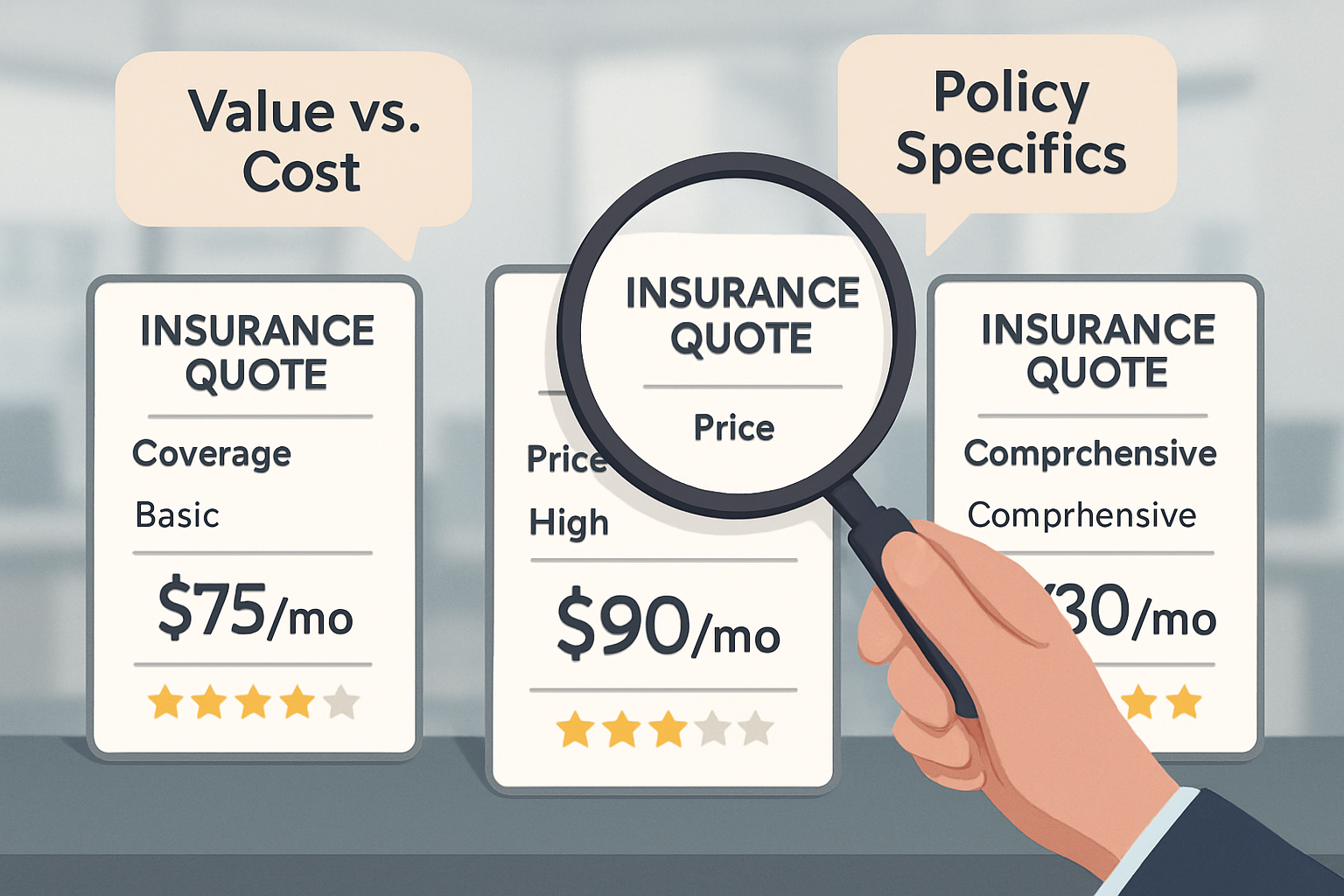
Once you know what types of coverage you need, the next critical step is to evaluate potential providers. Not all insurance companies are created equal, and choosing a financially weak or poorly reputed one can be as detrimental as having no insurance at all. A truly trustworthy business insurance provider will excel in both financial strength and public reputation.
Checking Financial Stability
Why does financial stability matter? Simple: an insurance company’s primary job is to pay claims. If they don’t have the funds when you need them, your policy is worthless. Fortunately, there are independent rating agencies that assess the financial health of insurance companies.
Key Rating Agencies:
- A.M. Best: This is perhaps the most widely recognized rating agency for the insurance industry. They issue letter grades (A++, A+, A, A-, B++, B+, etc.) that reflect an insurer’s financial strength and ability to meet its ongoing insurance policy and contractual obligations. An A or A+ rating is generally considered excellent.
- Standard & Poor’s (S&P), Moody’s, Fitch: These agencies also rate insurance companies, though they are more broadly known for rating bonds and other financial instruments. Their ratings (e.g., AAA, AA, A, BBB) provide additional insights into an insurer’s creditworthiness.
My Personal Anecdote:
Years ago, a colleague of mine had chosen a super cheap insurance policy for his small construction business. When a minor incident led to a claim, the provider – a relatively unknown, low-rated company – dragged its feet, citing “internal financial reviews.” The delay caused him significant cash flow problems and reputational damage with his client. He learned the hard way that saving a few dollars upfront can cost you thousands, or even your business, in the long run. Since then, he always checks A.M. Best ratings. “It’s non-negotiable for a trustworthy business insurance provider,” he insists.
When you’re comparing providers, always check their ratings from at least two different agencies. Look for consistent, strong ratings (ideally A- or better from A.M. Best).
Assessing Reputation and Customer Service
Financial strength is just one piece of the puzzle. A strong balance sheet means little if the company treats its customers poorly or denies legitimate claims.
Where to Look for Reputation Insights:
- Online Reviews and Testimonials:
- Google Reviews: A quick search for “[Provider Name] business insurance reviews” can reveal a lot.
- Yelp, Better Business Bureau (BBB): Look for patterns in complaints, especially concerning claims handling, communication, and transparency.
- Industry-Specific Forums: Sometimes, peers in your industry will share experiences with different providers.
- Customer Satisfaction Surveys:
- J.D. Power: This respected firm conducts annual surveys on customer satisfaction across various industries, including insurance. Their reports often highlight top-performing insurers in categories like claims satisfaction and overall customer experience.
- Claims Handling Efficiency:
- This is paramount. A good provider makes the claims process as smooth and painless as possible. Look for reviews that mention quick response times, fair settlements, and clear communication during a claim. Bad experiences often involve delays, unresponsiveness, or unjustified denials.
- Consider calling their claims department with a hypothetical question before you even buy a policy. How quickly do they answer? How helpful are they? This can offer a small glimpse into their service culture.
- Broker Recommendations:
- Independent insurance brokers work with multiple carriers and have firsthand experience with their service quality and claims handling. Their recommendations can be invaluable in identifying a truly trustworthy business insurance provider.
Red Flags to Watch Out For:
- Numerous complaints about denied claims or delayed payments.
- Poor communication or unresponsiveness.
- Consistently low ratings in customer satisfaction surveys.
- Lack of transparency regarding policy terms or fees.
By combining a thorough review of financial ratings with an investigation into customer feedback and claims efficiency, you can significantly narrow down your choices to truly trustworthy business insurance provider options.
Comparing Quotes and Coverage Details from a Trustworthy Business Insurance Provider

Once you’ve identified a few financially stable and reputable providers, it’s time to dive into the nitty-gritty: comparing quotes and understanding the specifics of their policies. This is where many business owners make mistakes, focusing solely on the premium without fully grasping what they’re actually buying. A trustworthy business insurance provider will offer clear, comprehensive quotes and be willing to explain every detail.
Don’t Just Look at the Price Tag
I once met a small business owner who boasted about getting the “cheapest general liability policy” in 2024. Six months later, a customer tripped over a loose rug in his store. The claim was denied because the “cheap” policy had an incredibly low sub-limit for “premises liability” and an exclusion for “lack of maintenance.” He was left to pay out of pocket, far exceeding the money he thought he saved. The lesson? The cheapest policy is rarely the best, and often far from what a trustworthy business insurance provider would offer as standard.
Key Elements to Compare in Quotes:
- Coverage Limits: This is the maximum amount your insurer will pay for a covered loss.
- Per Occurrence Limit: The maximum amount paid for a single incident.
- Aggregate Limit: The maximum amount paid for all incidents during the policy period (usually one year).
- Ensure these limits are adequate for your business’s potential risks. A small difference in premium could mean a huge difference in protection.
- Deductibles: This is the amount you pay out of pocket before your insurance coverage kicks in.
- Higher deductibles usually mean lower premiums, but make sure you can comfortably afford your deductible in case of a claim.
- Covered Perils and Exclusions:
- Covered Perils: What specific events or risks does the policy protect against? (e.g., fire, theft, windstorm, cyberattack).
- Exclusions: What specific events or risks are not covered? This is critically important. Read the exclusions section carefully. A common mistake is assuming something is covered when it’s explicitly excluded.
- Endorsements and Riders: These are additions or modifications to a standard policy that either add or remove coverage.
- For example, you might need an endorsement to cover specific valuable equipment, or to extend coverage to off-site events. Make sure your policy is tailored to your unique needs.
- Policy Terms and Conditions:
- Payment Schedule: Monthly, quarterly, annually?
- Cancellation Policy: What are the terms if you need to cancel?
- Renewal Process: How does renewal work, and what can you expect?
- Claims Process:
- Ask about the insurer’s typical claims process. What documentation is needed? How long does it usually take? How easy is it to submit a claim? A streamlined, transparent claims process is a hallmark of a trustworthy business insurance provider.
Using a Comparison Table
To help you organize and compare, create a simple table like this:
| Feature | Provider A (e.g., DEQNOW Partner) | Provider B | Provider C |
|---|---|---|---|
| Financial Rating | A+ (A.M. Best) | A- (A.M. Best) | B++ (A.M. Best) |
| General Liability Limit | \$2M per occurrence/\$4M aggregate | \$1M per occurrence/\$2M aggregate | \$1M per occurrence/\$2M aggregate |
| Deductible | \$1,000 | \$2,500 | \$500 |
| Cyber Liability (Y/N) | Yes (up to \$100k) | No | Yes (up to \$50k) |
| Key Exclusions | Acts of War | Floods, Earthquakes | Professional Negligence |
| Customer Service Rating | 4.8/5 stars | 3.5/5 stars | 4.0/5 stars |
| Annual Premium | \$1,800 | \$1,200 | \$1,500 |
| Claims Process Notes | Online portal, 24/7 support | Email only, slow response | Phone support, good |
This table makes it easy to see where each provider stands on crucial aspects beyond just the premium. You might find that paying a bit more for Provider A from a trustworthy business insurance provider partner like those found via DEQNOW gets you significantly better coverage, higher limits, and a more reliable claims process. Remember, understanding your business insurance cost in 2025 is also a critical piece of the puzzle, and you can get more insights here: Business Insurance Cost 2025: Pricing Guide.
The Importance of Excellent Customer Service and a Smooth Claims Process
Imagine you’ve followed all the steps: you’ve assessed your risks, researched financial stability, and meticulously compared quotes. You’ve chosen what you believe to be a trustworthy business insurance provider. Now comes the moment of truth: a claim. How they handle this moment will define their trustworthiness more than any marketing material ever could trustworthy business insurance provider.
Why Customer Service Beyond Sales Matters
It’s easy for an trustworthy business insurance provider to have great customer service during the sales process. They want your business, after all! But the true test of a trustworthy business insurance provider comes after you’ve signed on the dotted line.
- Responsiveness to Inquiries: Do they answer your calls and emails promptly? Do they clarify policy questions without making you feel rushed or unintelligent?
- Proactive Communication: Do they keep you informed about policy changes, renewals, or potential new risks relevant to your industry?
- Accessibility: How easy is it to reach a human being who can help you, especially outside of standard business hours if your business operates differently?
- Educational Resources: Does the provider offer resources to help you understand your policy better, or tips for risk management? Some of the best providers, like those recommended on DEQNOW’s business insurance page, often provide extensive support.
Navigating the Claims Process with a Trustworthy Business Insurance Provider
The claims process is where your investment in business insurance truly pays off. A smooth, transparent, and fair claims process is the strongest indicator of a trustworthy business insurance provider.
My Story:
My cousin, Michael, runs a small IT consulting firm. In late 2024, one of his junior developers accidentally deleted a critical client database. It was a massive oversight, leading to significant data loss and a very upset client. Michael immediately contacted his professional liability trustworthy business insurance provider. To his relief, they were incredibly supportive. They walked him through the entire claims process step-by-step, assigned a dedicated claims adjuster who was knowledgeable about tech incidents, and even helped him understand the legal implications. Within weeks, the claim was settled, covering the costs of data recovery and the client’s losses, and preserving his company’s reputation. Michael often says, “That’s when I truly understood the value of having a trustworthy business insurance provider.”
What to Look for in a Provider’s Claims Process:
- Clear, Easy-to-Understand Procedures: The steps to file a claim should be straightforward and well-documented. Can you file online? Is there a dedicated claims phone number?
- Dedicated Claims Adjusters: Having a single point of contact who understands your case can significantly reduce stress and improve efficiency.
- Timeliness: How quickly do they acknowledge a claim? What’s their average turnaround time for investigation and settlement? Look for companies known for efficient claims processing.
- Fairness and Transparency: Do they clearly explain their decisions? Are they fair in their assessment of damages? Avoid providers with a reputation for arbitrarily denying claims or offering lowball settlements.
- Online Claims Management: In 2026, many top providers offer online portals where you can track your claim’s progress, upload documents, and communicate with your adjuster. This transparency is a huge plus.
- Support and Guidance: Do they offer help navigating the process, especially for complex claims? For instance, do they assist with finding preferred vendors for repairs or legal counsel if needed?
Leveraging Technology for Better Service
Modern, trustworthy business insurance provider companies are increasingly leveraging technology to enhance customer experience. This includes:
- User-friendly Websites and Mobile Apps: For policy management, payments, and claims filing.
- AI-powered Chatbots: For instant answers to common questions.
- Virtual Adjusters: For quicker initial assessments of certain types of damage.
While technology is great, ensure it supplements, rather than replaces, human interaction, especially for complex issues or during a crisis. The best providers offer a seamless blend of digital efficiency and personalized human support.
Choosing a provider with excellent customer service and a reliable claims process isn’t just about convenience; it’s about safeguarding your business’s future when unforeseen events occur. It’s the ultimate measure of a truly trustworthy partner. For deeper insights into navigating the trustworthy business insurance provider landscape, exploring resources like the DEQNOW Latest Insurance Feed can also be incredibly beneficial.
Conclusion: Securing Your Future with a Trustworthy Business Insurance Provider
Choosing a trustworthy business insurance provider is one of the most critical decisions you’ll make for your business in 2026. It’s more than just a regulatory checkbox; it’s about building a robust shield against the unpredictable nature of the business world. From minor mishaps to catastrophic events, having the right partner by your side can mean the difference between a temporary setback and irreversible damage to your enterprise.
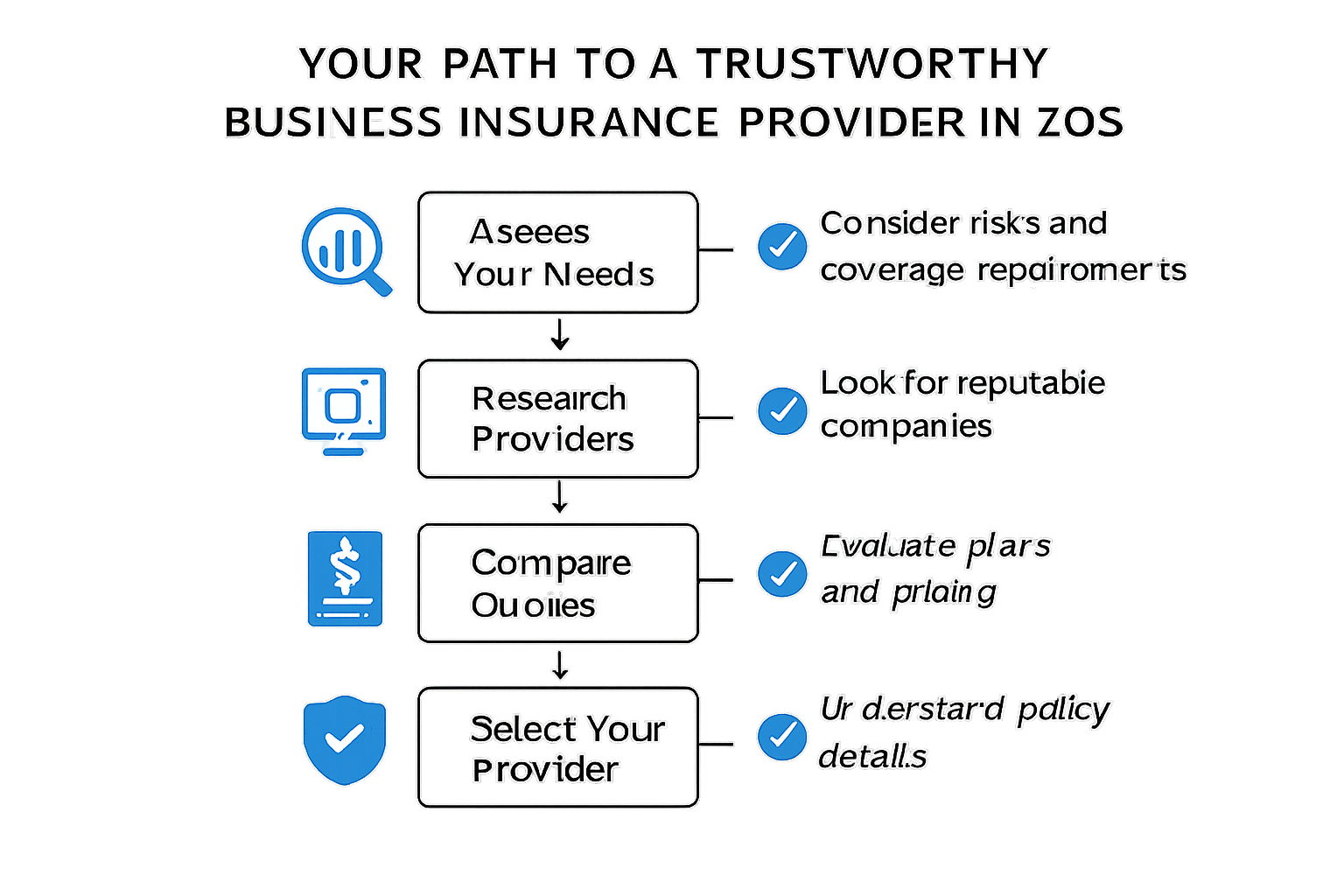
We’ve walked through the essential steps:
- Understanding Your Unique Business Risks: Knowing what you need to protect is the foundation.
- Evaluating Financial Stability and Reputation: Ensuring your provider has the strength and integrity to stand by their promises.
- Comparing Quotes and Coverage Details: Delving into the fine print to guarantee comprehensive and suitable protection.
- Assessing Customer Service and Claims Process: Confirming that your provider will be a responsive and fair ally when you need them most.
Remember my friend Sarah and her bakery, or my cousin Michael with his IT firm. Their experiences underscore a fundamental truth: a cheap policy from an unreliable provider is often no protection at all. Investing time and effort upfront to find a truly trustworthy trustworthy business insurance provider will yield dividends in peace of mind and financial security for years to come.
Actionable Next Steps:
- Perform a Detailed Risk Assessment: Take an honest look at your business operations, assets, employees, and client interactions. Make a list of every potential risk and the corresponding insurance type you’d need.
- Research Providers: Start by looking at reputable companies, checking their A.M. Best ratings and online reviews. Don’t be afraid to delve into both positive and negative feedback to get a balanced view. Consider starting your search with resources like those found on DEQNOW for a curated selection of insights.
- Gather Multiple Quotes: Contact at least three to five potential providers or work with an independent broker. Ensure each quote addresses all your identified needs.
- Scrutinize the Fine Print: Don’t just compare premiums. Read the policy documents carefully, paying close attention to limits, deductibles, exclusions, and endorsements. If anything is unclear, ask for clarification.
- Inquire About Claims Process: Before committing, ask each provider about their typical claims handling procedures, expected timelines, and communication methods.
- Make an Informed Decision: Choose the provider that offers the best balance of comprehensive coverage, financial strength, excellent reputation, and a proven track record of reliable customer service and claims handling.
Your business is your livelihood. Protect it wisely by choosing a trustworthy business insurance provider in 2026. It’s an investment in your future, allowing you to focus on what you do best: growing your business.
Find Your Essential Business Insurance in 2026
Select the options that best describe your business. This will help you identify key insurance types for a trustworthy business insurance provider.
Recommended Insurance Types
- Select options above to see recommendations.
This tool provides general guidance. Always consult with a **trustworthy business insurance provider** or broker for tailored advice.